
Maximizing Success Through Vendor Relationship Management
These days, the business environment is interconnected, where collaboration is the key to achieving growth and efficiency, and the importance of vendor relationship management (VRM) cannot be overstated. Whether you are managing a transit station or a sprawling retail network, working on vendor relationship management can have a profound impact on operations, costs, and service quality.
At Prime Station, we take pride in specializing in understanding the central role of vendor relationships play in maintaining a competitive edge. In this post, we will discuss the significance of VRM, its benefits, and how businesses, particularly in high-traffic environments like stations and transport hubs, can leverage it to thrive.
What is Vendor Relationship Management (VRM)?
Vendor Relationship Management refers to the strategic approach to managing a company’s relationship with its suppliers or vendors. It involves processes, policies, and tools that help companies to build and maintain a strong and clear relationship with the vendor, which is mutually beneficial in the long run. The goal is not simply making the vendor and business personnel interaction seamless, but also ensuring long-term co-operation and alignment of goals.
If we talk about those that rely heavily on external vendors, such as transportation or property management, using VRM becomes important for smooth operations and ensuring consistent and timely service delivery.
Why Vendor Relationship Management Matters
Effective vendor management goes beyond managing transactional relationships or simply managing payments. It is more about building partnerships that drive growth and maximize revenue for your business. Below, we have discussed in detail why vendor relationship management matters.
1. Improved Supplier Performance
When vendor relationship is effectively managed, it helps to set clear expectations, timelines, and work commitments with them. It helps businesses to get their work or output on time, which helps in avoiding costly delays and performance lapses.
2. Cost Optimization
Strategic vendor management leads to more favorable contracts, volume discounts, and better negotiation terms. By fostering a strong relationship with vendors, businesses can secure better prices and terms, reducing costs and increasing profitability.
3. Enhanced Collaboration
When businesses and vendors work together as partners, it creates a collaborative environment where both sides are motivated to innovate, solve problems, and adapt to changes swiftly. This flexibility can be especially valuable in dynamic, high-stakes environments like transportation hubs and stations, where service continuity is critical.
4. Risk Management
Vendor relationships are not without risks, such as supply chain disruptions, compliance issues, or performance failures. However, strong VRM practices can mitigate these risks. By monitoring performance, staying informed of potential issues, and developing contingency plans, businesses can stay ahead of challenges before they escalate.
5. Long-Term Sustainability
Long-term vendor relationships built on trust and transparency are more likely to endure. This continuity allows businesses to maintain stability, improve service quality, and ensure consistent access to vital resources or products.
How Vendor Relationship Management Works in High-Volume Environments
For businesses operating in high-traffic areas like transit stations, airports, or logistics hubs, VRM plays an even more critical role. These environments require constant coordination between multiple vendors providing various services, from catering, retail, security, to maintenance and tech support. The challenge lies in managing these relationships efficiently to ensure seamless operations.
1. Centralized Communication and Coordination
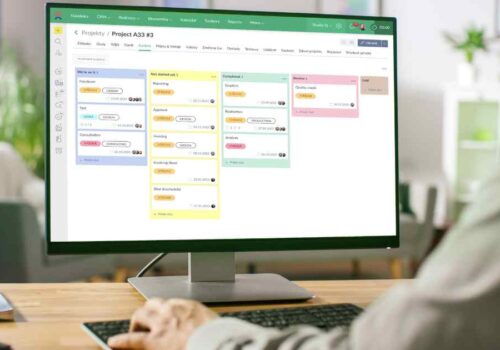
With multiple vendors involved, having a centralized system to manage communication is key. A digital platform that connects all stakeholders helps eliminate misunderstandings, streamline operations, and ensure that everyone is on the same page. In stations or transport hubs, this might mean real-time updates on service schedules, supply deliveries, or maintenance tasks.
2. Performance Tracking and Analytics
Modern VRM systems often include performance monitoring tools. These tools allow businesses to track vendor KPIs (Key Performance Indicators) in real-time, such as delivery times, quality of service, compliance with safety regulations, and financial performance. For Prime Stations, ensuring that maintenance vendors are adhering to scheduled checks or that food vendors are meeting customer service expectations can be done quickly with performance data at hand.
3. Data-Driven Decision Making
A data-driven approach to vendor management is essential in fast-moving industries. Analyzing vendor performance and market trends allows businesses to make informed decisions about vendor selection, contract renegotiations, and process improvements. This is particularly beneficial for stations where vendor requirements change due to peak periods, weather conditions, or evolving passenger needs.
Best Practices for Vendor Relationship Management
For businesses looking to improve their vendor relationships, here are some best practices to follow:
1. Define Clear Expectations and Contracts
Clearly defining expectations at the outset of a relationship ensures that both parties know what is expected. Contracts should outline everything from delivery timelines to quality benchmarks and service levels.
2. Regular Communication and Feedback
Maintaining regular contact with vendors fosters a collaborative environment. Whether it’s periodic check-ins, performance reviews, or open forums for discussing concerns, frequent communication ensures that potential problems are addressed before they become major issues.
3. Invest in Technology
Utilizing VRM software can automate tasks like invoice processing, vendor performance monitoring, and compliance checks. This saves time, reduces errors, and provides valuable insights into vendor performance.
4. Foster Transparency
Being transparent about challenges, changes in business needs, and performance issues helps build trust. Vendors who feel informed and included in decision-making are more likely to be loyal and responsive.
Conclusion
In the fast-paced and highly complex world of Prime Stations, where smooth operations depend on a vast network of vendors, Vendor Relationship Management is no longer just a good practice, it’s a necessity. By investing time and resources into nurturing vendor relationships, businesses can achieve cost savings, improved service quality, and operational efficiency.
A strong VRM strategy enables businesses to stay agile, collaborate with partners effectively, and ultimately deliver the best experience to their customers. Whether you’re running a transportation hub, a logistics operation, or a property management service, adopting effective VRM practices will keep your operations running smoothly and position you for long-term success.