The Importance of Head Protection Equipment in Workplace Safety
Workplace safety should always be a top priority, especially in industries where falling objects or accidental impacts are common. Using reliable head protection equipment helps reduce the risk of serious injuries and ensures compliance with safety standards.
From construction sites to factories and warehouses, protective gear plays a critical role in preventing head and face injuries. Investing in proper equipment protects workers and strengthens overall workplace safety culture.
Why Head Protection Equipment Matters
Head injuries can result in long-term health issues, lost productivity, and costly compensation claims. Even minor accidents can have serious consequences if proper protection is not worn.
Head protection equipment is specifically designed to absorb impact, resist penetration, and shield against electrical hazards or flying debris. Employers who provide high-quality gear demonstrate responsibility and commitment to worker well-being.
Common Types of Head Protection Equipment
Different tasks require different types of protective gear. Choosing the right equipment depends on the specific hazards present in the workplace.
Common options include:
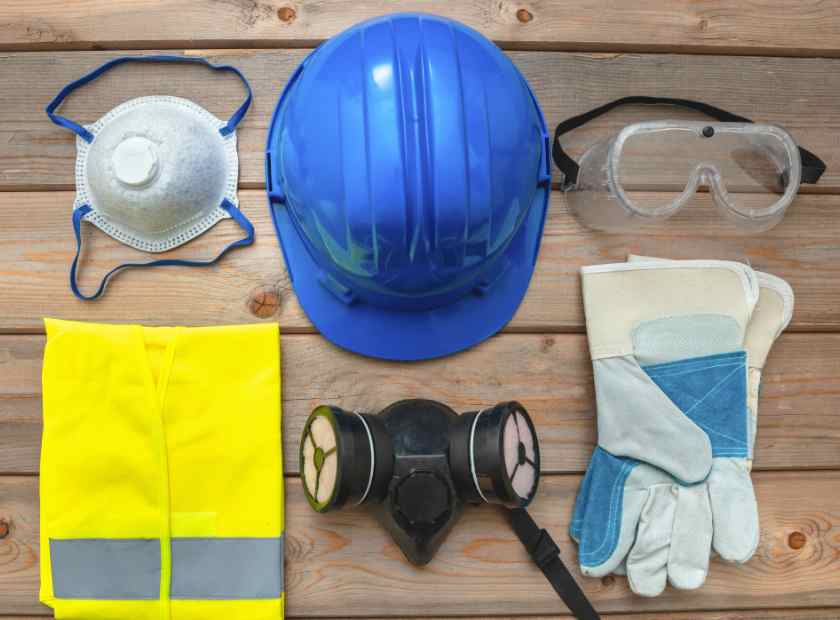
- Safety helmets for construction and heavy-duty environments
- Hard hats with adjustable suspension systems
- Face shields for protection against sparks and splashes
- Bump caps for low-risk impact areas
- Helmet attachments such as visors and earmuffs
Each type is designed to address specific risks while maintaining comfort and functionality.
Key Features to Consider
When selecting head protection equipment, quality and proper fit should be the main considerations. Ill-fitting or low-quality gear may reduce effectiveness and discourage workers from wearing it consistently.
Important features to look for include:
- Impact-resistant outer shell
- Comfortable inner suspension system
- Adjustable straps for secure fit
- Ventilation for improved airflow
- Compliance with recognized safety standards
Modern designs also focus on lightweight materials to reduce strain during long working hours. Comfortable equipment increases the likelihood of consistent use.
Benefits of Proper Head Protection
Providing appropriate head protection equipment offers several long-term advantages for both employers and employees. The most important benefit is injury prevention, which directly safeguards lives.
Additional benefits include:
- Reduced workplace accidents and downtime
- Improved employee confidence and morale
- Compliance with occupational safety regulations
- Lower insurance and compensation costs
A safe work environment also enhances a company’s reputation. Clients and partners are more likely to trust businesses that prioritize safety.
Maintenance and Best Practices
Simply providing head protection equipment is not enough; regular inspection and maintenance are essential. Damaged or worn-out gear may fail during critical moments.
Workers should inspect helmets and face shields for cracks, dents, or weakened straps before each use. Equipment exposed to strong impact should be replaced immediately, even if visible damage is minimal.
Proper storage also extends product lifespan. Keeping gear away from extreme heat, direct sunlight, or chemicals helps maintain its protective qualities.
Conclusion
Head protection equipment is a fundamental part of any workplace safety program. It minimizes risks, protects employees, and ensures compliance with safety regulations.
By selecting high-quality gear, ensuring proper fit, and maintaining it regularly, businesses create a safer and more productive work environment. Protecting workers’ heads today prevents serious consequences tomorrow.